
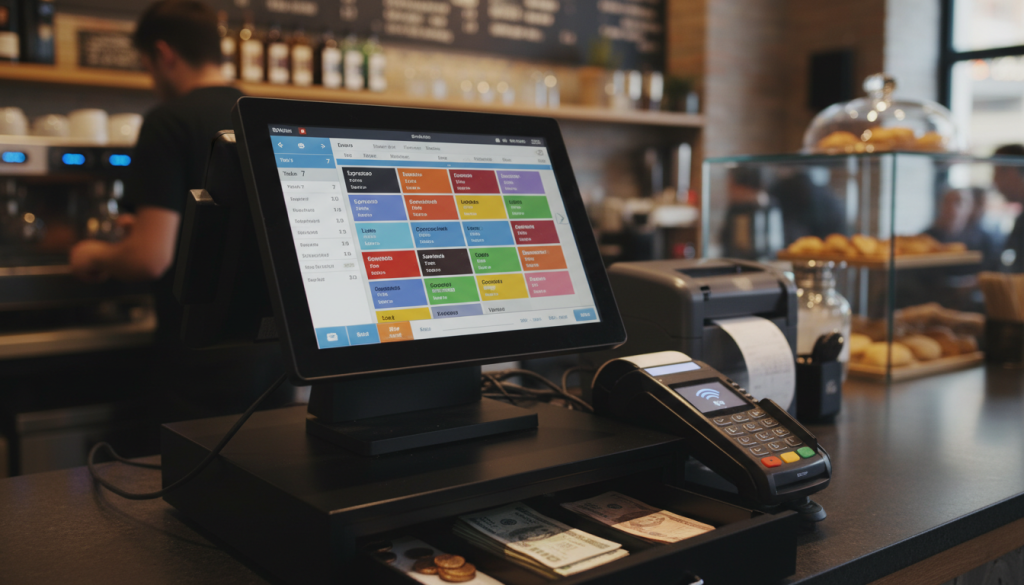
The hospitality landscape has shifted dramatically over the last few years. What used to be an industry built purely on the “art” of service has now become a delicate balance of culinary skill and data-driven precision. For restaurant owners across the UK, the heart of this transformation isn’t just in the kitchen gadgets or the decor—it’s in the digital infrastructure. Specifically, the adoption of a high-performance restaurant EPOS system has become the defining factor between a struggling dining room and a thriving, scalable brand.
In an era of rising overheads and evolving customer expectations, the “Electronic Point of Sale” is no longer a mere transaction tool; it is a comprehensive management ecosystem.
The Evolution of the Dining Experience
Modern diners expect more than just a good meal. They expect speed, accuracy, and flexibility. Whether it’s the ability to split a bill effortlessly at the table or the assurance that a dietary requirement has been communicated perfectly to the chef, technology plays a silent but vital role.
A professional restaurant EPOS system acts as the bridge between the front-of-house and the back-of-house. By utilizing handheld ordering devices and integrated kitchen display systems (KDS), the margin for human error is significantly reduced. This leads to faster table turnover and, more importantly, a more relaxed environment for staff who no longer have to sprint back and forth to a central terminal.
Turning Data into Strategy
One of the most significant advantages of partnering with experts like Cube POS is the level of insight gained from sales data. For a restaurant to remain profitable, the owner must understand their “Menu Engineering.”
- Profitability vs. Popularity: A modern EPOS identifies which dishes are high-margin but low-volume, and vice versa. This allows for data-backed decisions on menu design and daily specials.
- Inventory Intelligence: Real-time stock tracking ensures you aren’t over-ordering perishables, directly impacting your bottom line by reducing food waste.
- Labor Optimization: By analyzing heat maps of sales throughout the day, management can schedule staff precisely when they are needed, avoiding high labor costs during quiet hours.
Seamless Integration in a Multi-Channel World
The modern restaurant doesn’t just serve people within its four walls. With the explosion of third-party delivery apps and “click and collect” services, the kitchen often faces multiple streams of orders simultaneously.
A premium restaurant EPOS system consolidates these streams into a single interface. Instead of having five different tablets ringing at once for various delivery partners, every order flows directly into the main system. This unified approach prevents the kitchen from becoming overwhelmed and ensures that in-house diners don’t see a dip in service quality due to off-site demand.
Future-Proofing Your Business
Security and reliability are the final pieces of the puzzle. As payment regulations become stricter, having a system that is fully PCI-compliant and capable of handling various digital wallets (Apple Pay, Google Pay) is essential for customer trust. Furthermore, cloud-based systems ensure that even if a hardware failure occurs, your business data is backed up and accessible from anywhere in the world.
As we look toward the future of the UK hospitality sector, the focus will continue to be on “frictionless” service. By removing the technical hurdles of payment and order management, staff are empowered to do what they do best: provide an exceptional human connection to their guests.
For those looking to elevate their operational standards, exploring the bespoke configurations at Cube POS provides the necessary tools to navigate the complexities of modern restaurant management.
Conclusion
The decision to invest in a high-tier restaurant EPOS system is an investment in the longevity of the brand. It provides the clarity needed to make difficult business decisions and the efficiency required to survive in a competitive market. In the end, technology shouldn’t replace the soul of a restaurant; it should give it the space to breathe.
