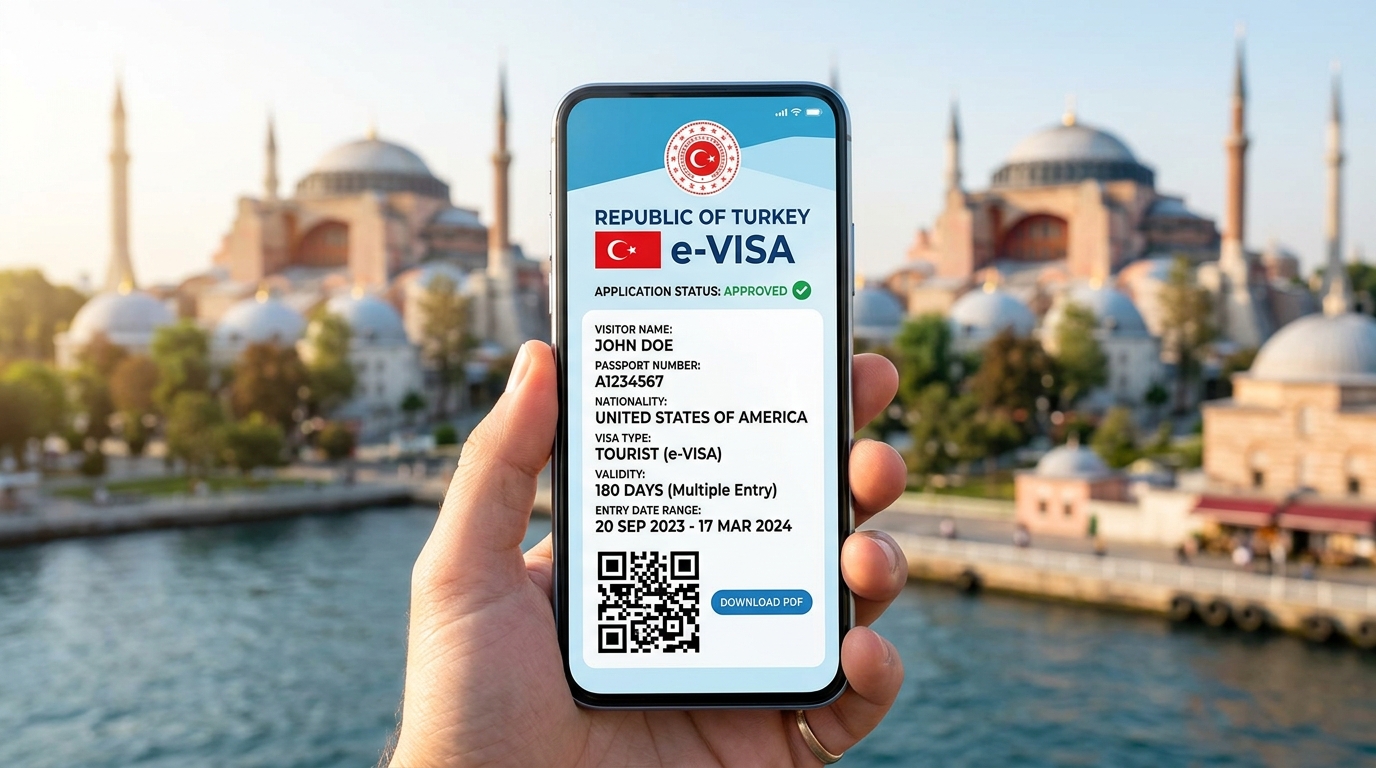
Turkey stands as an extraordinary global nexus, effortlessly bridging the diverse economies, cultures, and landscapes of Europe and Asia. Anchored by the sprawling aviation hubs of Istanbul, the nation operates as a vital gateway for millions of international passengers every year. While a massive percentage of these travelers arrive to experience the historic monuments, thermal pools, and scenic coastlines firsthand, countless others utilize the country as a crucial stepping stone to reach destinations further across the globe.
To manage this complex influx of visitors efficiently, the Turkish Ministry of Foreign Affairs relies on a highly sophisticated, fully digital electronic entry infrastructure. Understanding the precise rules governing transits and short-term visits is the ultimate key to planning a seamless international itinerary.
Navigating Short-Term Entry for South Asian Travelers
The online entry platform is designed for rapid deployment, yet it applies distinct security filters based entirely on the applicant’s country of citizenship. For travelers arriving from South Asia, the automated portal utilizes a conditional framework that rewards applicants who already hold reputable international travel credentials.
If you are coordinating an upcoming journey from New Delhi, Mumbai, or other regional hubs, evaluating your transit parameters well in advance is highly recommended. For instance, the regulations regarding a TURKEY TRANSIT VISA FOR INDIANS state that a formal transit document is strictly necessary only if you plan to clear immigration control. This includes scenarios where you must change airports within Istanbul, collect and re-check bags for a self-transferred flight, or check into a hotel outside the terminal during a long layover.
Eligible Indian passport holders can rapidly acquire this short-stay authorization online, provided they possess a valid physical visa or residence permit from a Schengen zone country, the United States, the United Kingdom, or Ireland, alongside a confirmed onward ticket to their final destination.
Dedicated Frameworks for Himalayan Passports
In a similar fashion, specific conditional rules apply to travelers originating from the Himalayan region. The online application portal automatically calibrates its mandatory questionnaire fields the moment an applicant selects their specific territory of origin.
For example, securing a TURKEY VISA FOR NEPALI citizens involves navigating a systematic single-entry electronic track. This digital authorization permits an absolute maximum stay duration of up to 30 days within a broader 180-day validity window, specifically for short-term tourism or commercial trading purposes.
To gain automated system approval, Nepalese ordinary passport holders must satisfy a strict set of prerequisites. Applicants must hold a passport valid for at least six months stretching past their arrival date, maintain a verifiable hotel reservation, and present a valid supporting visa or residence permit from an approved western or Schengen nation. Ensuring total data alignment between these physical documents and the digital form prevents automated processing backlogs.
Crucial Operational Safeguards for the Departure Gate
Once your digital travel authorization drops into your email inbox, completing a few final preparation steps will guarantee a flawless experience when facing Turkish border control.
- Secure a Physical Printout: Even though your entry permission is tied digitally to your passport number in the immigration database, electronic system interruptions at airport immigration gates can happen. Always carry a physical, printed copy of your e-Visa.
- Verify Data Alignment: The biographical data on your electronic visa must match your physical passport exactly. A single typo or a transposed letter can lead to automated boarding denials at the departure terminal.
- Keep Supporting Evidence: Ensure that the qualifying western visa or residence permit used during your online session is physically with you and active when you stand before the immigration officer.