
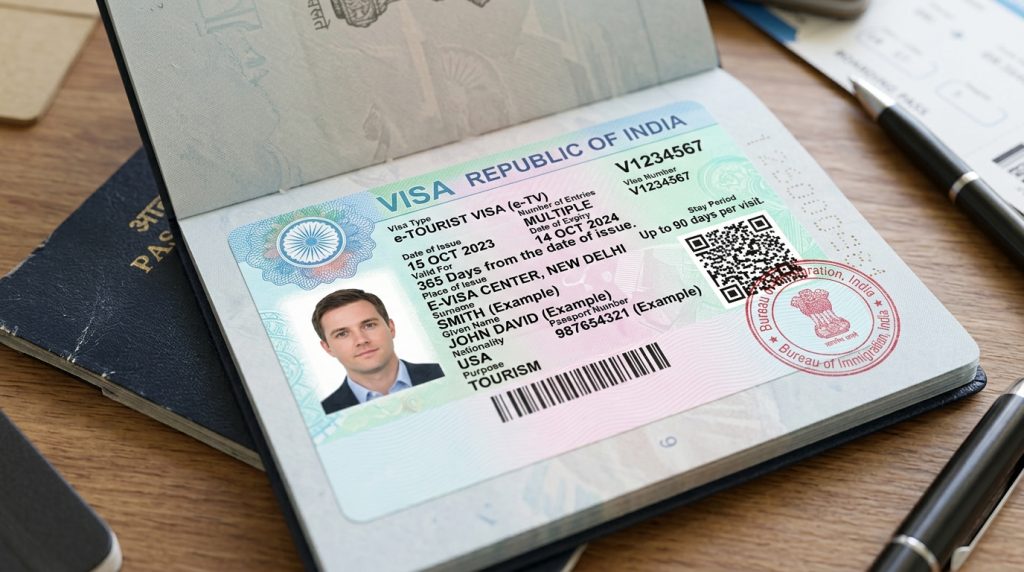
India remains a premier destination for global travelers, whether for the bustling commerce of its metropolitan hubs or the spiritual depth of its historical sites. As travel demands increase in 2026, understanding the specific pathways to entry—particularly when time is of the essence or when applying from abroad—is essential for a seamless arrival.
Expediting Your Travel Plans
In circumstances involving genuine family emergencies, such as the critical illness or passing of a relative, the standard visa processing timelines can prove challenging. While most routine travel should be planned well in advance, the Indian government provides limited provisions for those facing unavoidable crises.
If you find yourself in a situation requiring immediate travel, you may be eligible to apply for an Urgent Indian Visa. It is important to note that “emergency” status is strictly defined; it is not a bypass for standard tourist or business travel. Applicants must provide verifiable documentary evidence—such as hospital records or death certificates—to justify an expedited review. Furthermore, the government has not authorized third-party agents to charge extra fees for “express” services. Always engage directly with official consular channels to avoid potential scams or fraudulent processing claims that promise guaranteed entry.
Managing Your Application from Australia
For residents of Australia, the process for visiting India is well-defined and supported by an extensive network of application centers. Whether you are holding an Australian passport or are a foreign national residing in the country, the system is designed to be methodical and secure.
When beginning your application for an Indian Visa from Australia, your first step is to identify the specific category that matches your purpose of travel. Most tourists, business professionals, and medical visitors utilize the e-Visa portal for its convenience. However, those requiring a traditional paper visa—or those whose specific travel circumstances fall outside the electronic category—must navigate the VFS Global infrastructure.
Key Steps for Australian Applicants
- Select Your Jurisdiction: India maintains multiple mission offices across Australia (such as Sydney, Melbourne, Canberra, and Perth). Ensure you select the office that corresponds to your residential state to avoid processing delays.
- Digital Preparation: Ensure your passport has at least six months of validity remaining and that you have a high-resolution, square-format digital photo ready for upload.
- Submit Physical Documents: For regular visas, after completing your online form, you must print the physical copy and submit it in person—or via authorized courier—at your local VFS Global center.
- Check Processing Times: While e-Visas are often processed within a few business days, regular paper visas require a minimum of three working days after the submission of physical documents.
- Biometric Enrollment: Be prepared to provide biometric information (fingerprints and facial scanning) as part of the official submission process at your designated application center.
By proactively managing your documentation and strictly adhering to the jurisdiction requirements, you remove the most common obstacles to entry. Whether you are navigating an urgent situation or planning a long-awaited excursion, staying informed through official government portals ensures your focus remains entirely on the journey ahead.
