
Kenya remains a beacon for international travelers, drawing visitors with its unparalleled wildlife, diverse landscapes, and a vibrant cultural heritage that feels both ancient and refreshingly modern. Whether you are traveling from the heart of Europe or from the distant shores of the South Pacific, a successful Kenyan adventure begins long before you touch down at Jomo Kenyatta International Airport. By mastering the current entry requirements and the logistics of safari planning, you can ensure your 2026 trip is as seamless as it is spectacular.
Entry Procedures for European Travelers
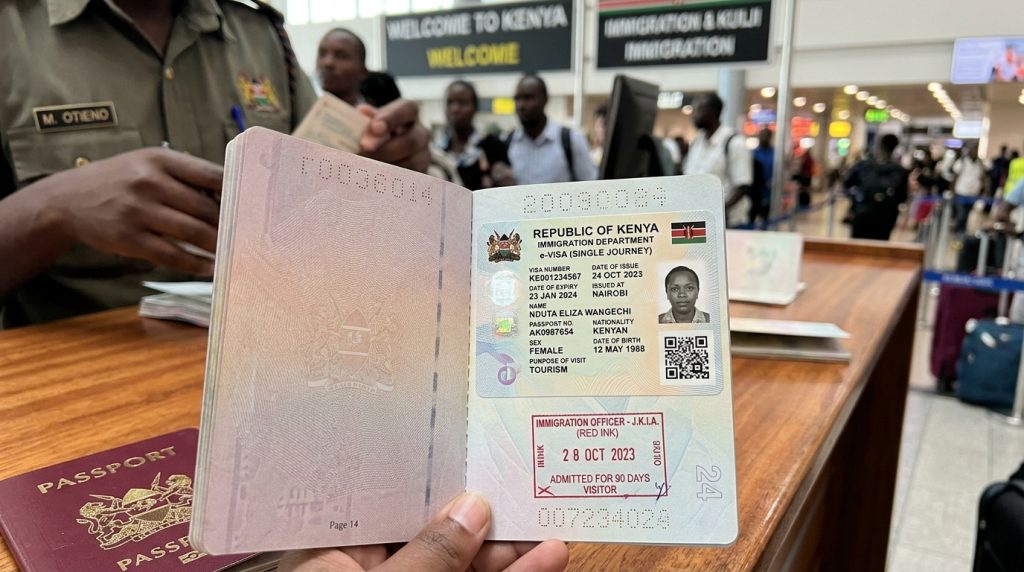
The administrative landscape for international visitors to Kenya has been significantly refined to enhance security and convenience. The shift to a fully digital Electronic Travel Authorization (eTA) system has effectively replaced the traditional visa-on-arrival model. This semi-automated process is a mandatory prerequisite for all international arrivals, including children and infants.
For those residing in the Netherlands, the digital portal offers a clear, user-friendly path to entry. When researching your specific requirements for a KENYA VISA FOR DUTCH CITIZENS, you will find that the online application process is designed to be efficient. To avoid any potential issues at the border, it is recommended that you complete your application at least two weeks before your departure date. Ensure that your passport has at least six months of validity remaining and that you have a high-quality digital scan of your passport’s bio-data page, along with a recent photograph, ready for upload.
Planning Your Safari from the Southern Hemisphere
For travelers coming from Australia, the distance involved in reaching East Africa makes careful itinerary planning even more critical. A safari is not just a vacation; it is an expedition that requires balancing flight times, acclimatization, and the specific seasons of the wildlife migration.
The logistical coordination for such a journey can be complex, but with the right guidance, it becomes a rewarding part of the adventure. If you are beginning the research phase, a comprehensive HOW TO PLAN A KENYA SAFARI FROM AUSTRALIA will help you navigate everything from selecting the right time of year—ideally between July and October for the Great Migration—to choosing the lodges that best suit your budget and comfort preferences. From flights originating in major hubs like Sydney or Melbourne to the logistical coordination of domestic bush planes once you reach Kenya, having a structured plan allows you to maximize your time in the savannah rather than spending it managing transport issues.
Key Considerations for Your Adventure
- Health and Wellness: Always consult with a travel clinic at least six weeks before departure. Depending on your specific route, you may need a yellow fever vaccination certificate or advice on malaria prophylaxis.
- Packing Strategy: Remember that bush planes often have strict weight limits for luggage. Pack light, versatile clothing suitable for early morning game drives and warm afternoon sunshine.
- Sustainable Tourism: Prioritize booking with operators who support local community conservation efforts. Your choice of accommodation can directly contribute to the protection of endangered species and the support of local economies.
By aligning your administrative preparations with a well-researched itinerary, you turn the complex process of international travel into a simple, logical sequence of events. Whether you are flying from Amsterdam or crossing the Indian Ocean from Australia, the warmth of the Kenyan people and the majesty of the wilderness make every minute of the planning phase worthwhile. Focus on these details early so that when you finally step onto the plains of the Maasai Mara, your only responsibility is to witness the wonders of nature.
